
Currently, arc flash is receiving increased attention and is being actively researched in the field of electrical safety. To help you understand arc flash, this post will introduce arc flash from definition, causes, types, consequences, etc.
What Is Electrical Arc Flash?
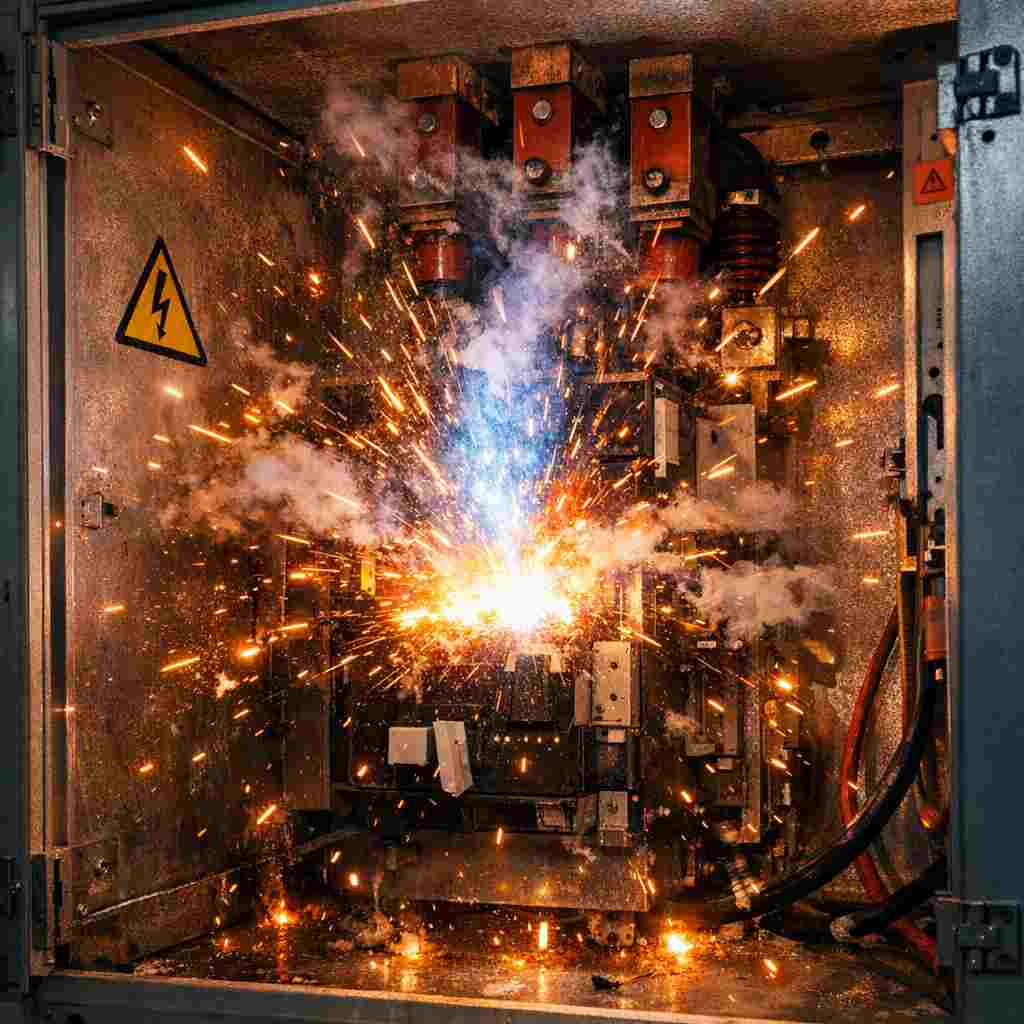
Let’s begin with the basics: what is arc flash? An electrical arc flash is an intense electrical explosion or light discharge phenomenon that occurs during an arc fault. Essentially, it’s a miniature, ultra-high-energy nuclear explosion that happens inside an electrical distribution cabinet when current breaks down the insulating medium (such as air). If you’ve ever seen the blinding blue-white light during welding, that’s a milder form of arc flash. But in electrical accidents, it’s an uncontrolled beast: when insulation fails, or a malfunction occurs, the powerful current instantly tears through the air, transforming into lightning within the electrical enclosure. The extreme temperatures it releases can reach 19,000°C—four times the surface temperature of the sun. In milliseconds, this terrifying arc energy, accompanied by a violent and explosive shock wave, can instantly vaporize solid copper busbars into metal vapor.
What Causes an Electrical Arc Flash?
As you know, an electric arc flash will occur when current flows through an air gap between conductors. In fact, there are many causes of arc flash, but the common causes are the following four types:
Insulation failure: Insulation failure is a primary catalyst for arc flash, commonly caused by aged cabling, moisture buildup inside the enclosure, or the presence of conductive particulates like coal or metal dust that create unintended tracking paths across the busbars.
Equipment failure: Loose connections and exposed live parts in the power cabinet, live work on damaged equipment (such as cables), equipment aging, and failures from equipment such as circuit breakers, transformers, MCCs, disconnect switches, and relays can all cause arc flash.
External Intruders: Small animals entering the distribution room or substation.
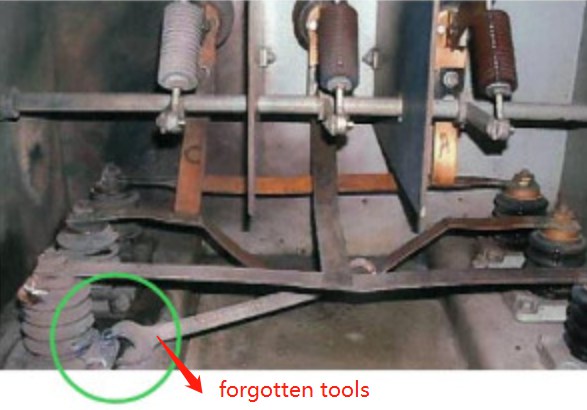
Human Error: Using incorrectly specified instruments, dropping uninsulated tools or metal parts, a lack of awareness and training, and other human factors can lead to arc flash.
What Are Arc Flash Types?
Phase-to-Phase, Phase-to-Ground & Three-Phase Arc Flash
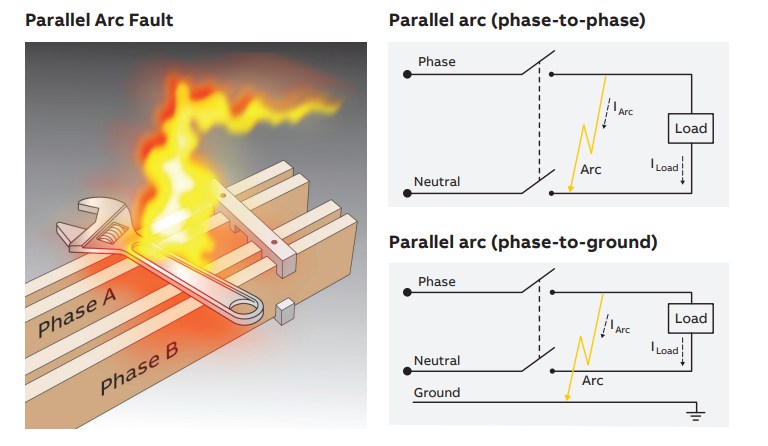
Phase-to-Phase Arc Flash: Occurs between two phase busbars (e.g., L1 and L2), generating enormous short-circuit energy. The phase-to-phase arc flash can be called parallel arc faults.
Phase-to-Ground Arc Flash: Occurs between a line and a metal enclosure or ground wire. This is the most common cause, usually triggered by dropped tools or small animals. The phase-to-ground arc flash can be called a ground arc fault.
Three-Phase Arc Flash: Typically evolves rapidly from a single-phase or phase-to-phase fault, ionizing the air throughout the entire enclosure and releasing the maximum possible energy of the system. Three-phase arc flash can be called serial arc faults.
AC & DC Arc Flash
AC Arc Flash: Features current zero-crossing points, which help extinguish the arc.
DC Arc Flash: Commonly found in 1500V energy storage systems (BESS) and photovoltaic systems. DC arcs do not have zero-crossing points and, once generated, will continue to burn until the physical gap becomes too large or a protective device forces a shutdown.
At What Voltage can Arc Flash occur?
While the potential for an arc flash exists in any system exceeding the 50V threshold, the severity and frequency of these events vary across different voltage classes.
In industrial settings, systems operating between 120V and 600V—such as factory distribution networks, Motor Control Centers (MCCs), and Battery Energy Storage Systems (BESS)—are prime locations for high-incident-energy events due to high fault currents.
At the utility level, medium-voltage switchgear (1kV to 35kV) within substations is a high-priority area where arc flashes can lead to catastrophic equipment failure.
Even on high-voltage transmission lines exceeding 110kV, massive energy potentials can trigger substantial arcs, though these typically occur in open-air environments rather than confined enclosures.
What Determines the Intensity of an Arc Flash?
The electrical arc flash intensity usually refers to the incident energy. It is influenced by voltage, current, arc gap, arc duration/clearing time, distance away from the arc, 3 Phase v single-phase, Confined Space, etc.
What Is a Cal Rating for Arc Flash?
In electrical safety, Cal Rating is a core indicator for measuring the severity of arc flash hazards and evaluating the protective capabilities of personal protective equipment (PPE). According to the IEEE 1584 standard, engineers calculate the amount of arc energy released at a specific working distance (typically 18 inches or 45 centimeters) when an arc flash occurs in an electrical switchgear. Based on the arc flash incident energy, arc flash cal ratings are categorized into: CAT1 (4 cal/cm²), CAT2 (8 cal/cm²), CAT3 (cal/cm²), and CAT4 (40+ cal/cm²).
What Are the Consequences of an Arc Flash?
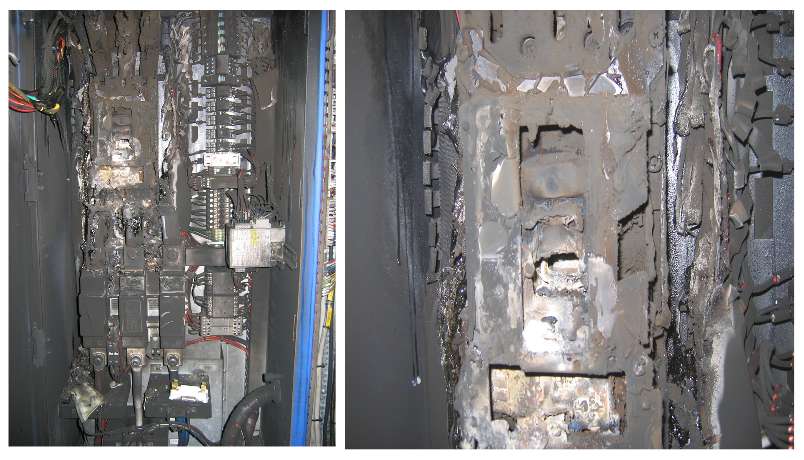
Arc flashes not only cause equipment damage but also result in personal injury. The high temperatures, energy release, and smoke and dust generated by arc flashes can lead to insulation breakdown and damage to circuit breakers, switchgear, and other electrical equipment. This can result in significant financial losses due to equipment downtime or repairs. Furthermore, arc flashes can cause burns, hearing damage, blast injuries, inhalation injuries, and electric shock to workers. This also tells us why we need arc flash protection solutions for equipment and workers.
What Is the Arc Flash Standard & Compliance?
The common arc flash standard & compliance includes OSHA, NFPA 70E, and IEEE1584.
The NFPA 70E defines the PPE level and Arc flash Boundary, which is a reliable guide for arc flash protection.
IEEE1584 is the guide to arc flash energy calculation, which can help workers calculate arc flash energy.
OSHA requests enterprise do an arc flash analysis and provide suitable PPE for workers.
What Is Arc Flash Study/Analysis?
An arc flash study/analysis is conducted to quantify the explosive energy that electrical equipment may release during a fault, using professional modeling and calculations (such as those based on the IEEE 1584 standard), thereby providing electricians with a precise safety checklist. Its core purpose is to guide companies in posting compliant hazard level labels on equipment by determining the incident energy and safety protection boundaries. This serves as the basis for mandating that employees wear appropriate levels of personal protective equipment (PPE), transforming the previously unpredictable risk of electrical explosions into a quantifiable and preventable standardized safety management system. This ensures personnel safety even in the most extreme accidents and meets the compliance audit requirements of OSHA or NFPA 70E.
Arc Fault vs Arc Flash vs Arc Blast
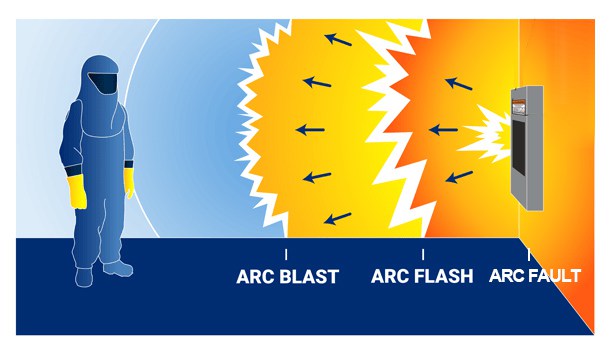
In the power industry, arc fault, arc flash, and arc blast are all related to electrical faults, so people don’t strictly distinguish between the three. What are the differences between them? Simply put, an arc fault occurs at the beginning of an electrical fault, an arc flash occurs in the middle stages of the electrical fault, and an arc blast occurs in the final stages of the electrical fault. Secondly, the three emphasize different aspects: an arc fault emphasizes the unexpected discharge phenomenon caused by insulation breakdown between conductors; an arc flash emphasizes the electromagnetic radiation energy released by the arc fault; and an arc blast emphasizes the mechanical pressure waves and shock waves accompanying the arc fault. For example, when an electrician accidentally causes a short circuit, an arc fault occurs; immediately afterward, you will see a dazzling blue-white light and feel deadly high temperatures – that’s an arc flash; at the same time, accompanied by a loud bang, a huge force knocks people over and destroys the equipment – that’s an arc blast.
What to Do for Arc Flash?
Facing the extremely dangerous arc flash in power systems, we can take different arc flash mitigation measures at various stages to predict, prevent, and protect against arc flash accidents.
Resistance-Grounded System
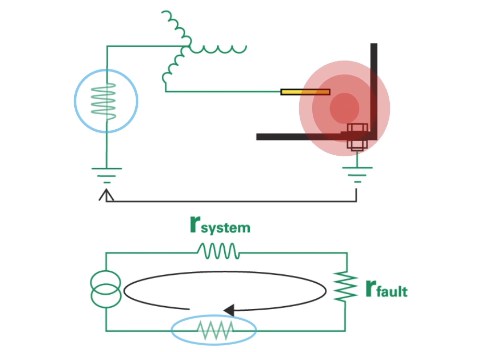
If a phase faults to the ground, the high-resistance grounding limits theground-fault current to a flow level thatis insufficient to produce an arc flash.
Arc Flash Labeling
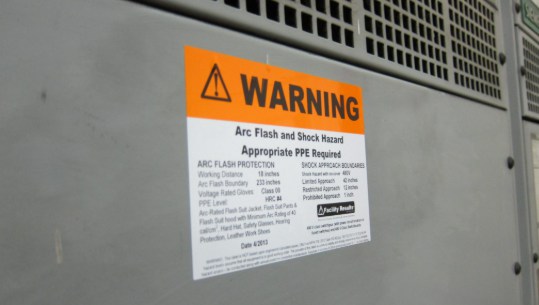
Through professional calculations, labels are posted in prominent locations on the equipment, clearly indicating the incident energy (Cal Rating), voltage level, and safety protection boundary at that location. This provides operators with intuitive visual warnings, ensuring they are aware of the risks before starting work
Arc Flash Training/Arc Flash Safety Training
Only qualified and trained personnel are allowed to approach energized areas. Training includes how to read arc flash labels, how to properly wear personal protective equipment (PPE), and how to quickly escape and provide first aid in the event of an accident, building a safety defense from a cognitive level.

Wear Arc Flash PPE
When workers must enter the protection boundary, they must wear protective clothing that matches the energy level indicated on the label. This includes arc flash face shields, flame-resistant work clothes (FR Clothing), insulating gloves, and safety glasses, ensuring that even if an arc flash occurs, the heat received by the body is controlled below the critical value for second-degree burns.
Use Anti-Arc Flash Equipment
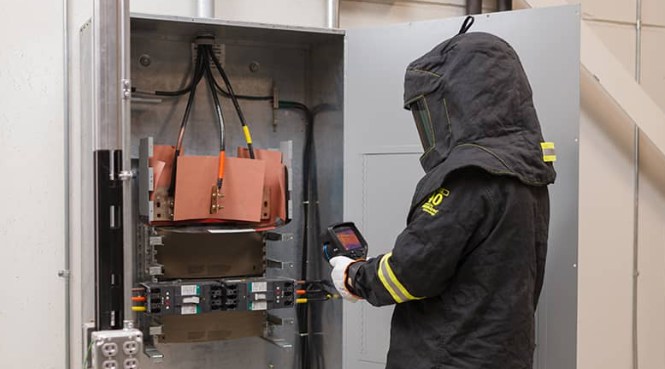
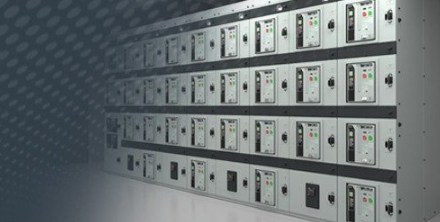
Select electrical equipment with “arc-resistant” capabilities during the design phase, such as arc-resistant switchgear.
Install Arc Flash Relays
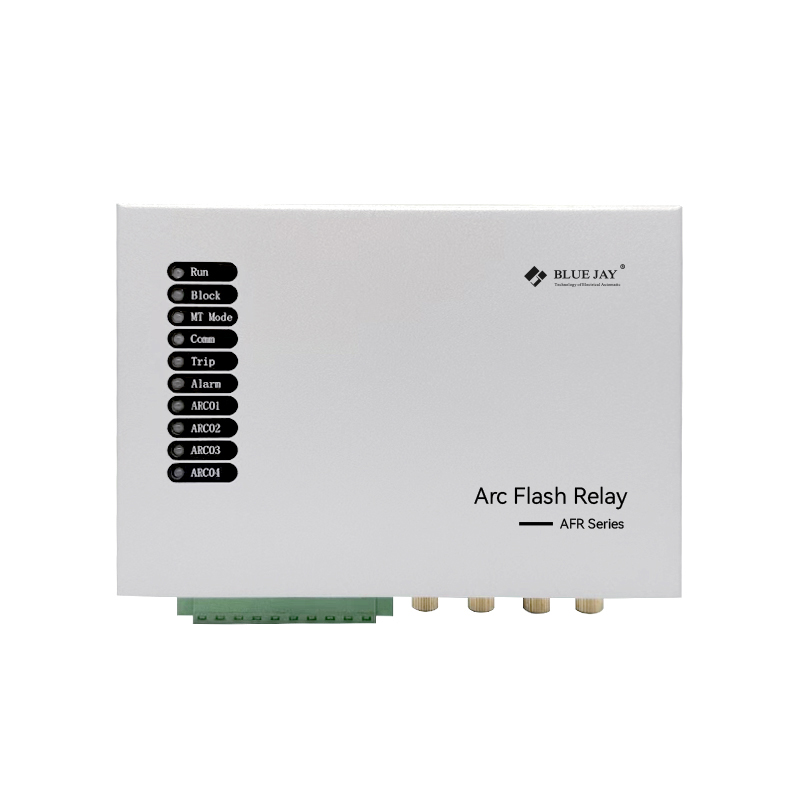
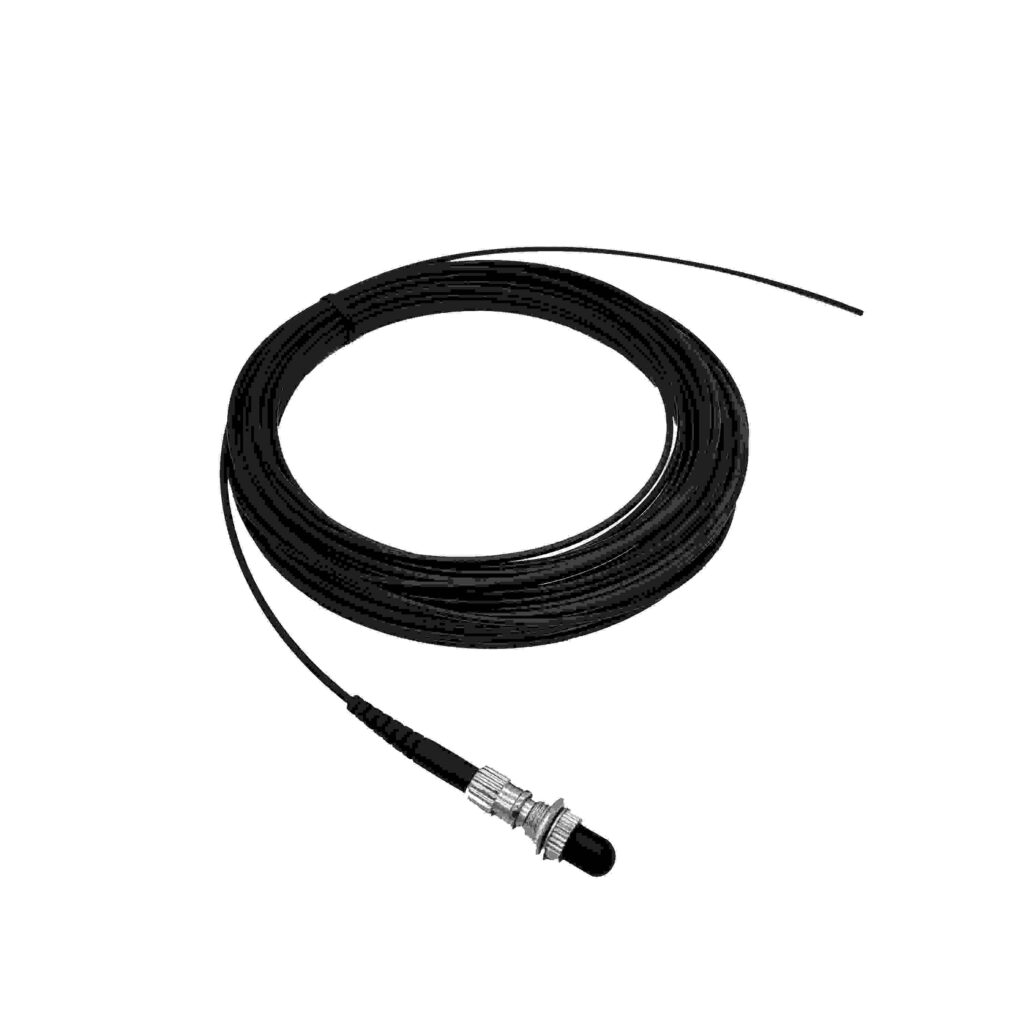
Install arc flash protection relays in the electrical cabinets. This relay uses both light-sensing technology and current-surge criteria to issue a trip command at the very early stages of arc flash (usually within 7ms to 10ms), cutting off the current before the energy is fully released and minimizing damage.
Keep a Safe Distance
Utilize the physical principle of “distance attenuating energy.” By using remote operating rods or remote control systems, personnel can stand outside the arc flash boundary to perform switching operations, completely eliminating personal injury.
System Design or Re-design
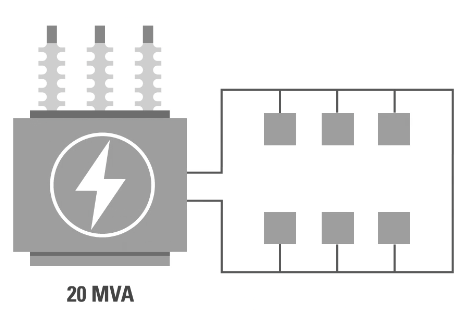
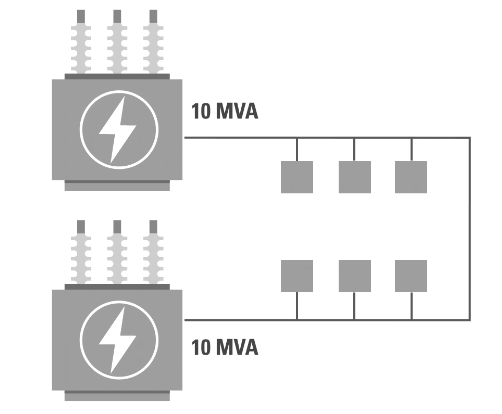
Designing the system to use smaller transformers feeding separate buses in place of a larger one will lessen theamount of energy and reduce the risk ofan arc-flash.
Power Down Electrical Equipment
When an arc flash occurs, immediately disconnect the equipment’s power supply.